Jim Corbett Information
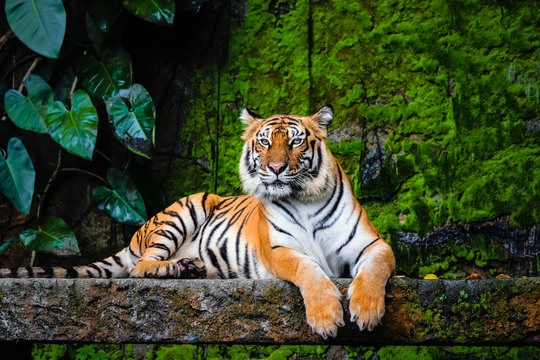
Jim Corbett National Park, established in 1936, is a jewel in India’s wildlife crown. Named after the legendary hunter-turned-conservationist Jim Corbett, it covers over 520 square kilometers of lush forests, rivers, and grasslands. The park is home to the majestic Bengal Tiger, elephants, leopards, deer, crocodiles, and over 600 bird species. It’s a haven for wildlife photographers, adventure seekers, and nature enthusiasts alike.
1. Location: Jim Corbett National Park is situated in the foothills of the Himalayas, spanning across Nainital, Pauri Garhwal, and Almora districts in Uttarakhand.
2. Entry Gates and Zones: The park has several entry gates, each providing access to different tourism zones within the park. The prominent entry gates are Ramnagar, Dhangarhi, Bijrani, Jhirna, Dhikala, and Durgadevi. Each zone has its own distinct landscapes and wildlife.
3. Wildlife Safaris: Jeep safaris and canter safaris are the primary means of exploring the park’s diverse wildlife. Safaris are conducted in specific zones during designated time slots. It’s advisable to make prior bookings for safaris to secure your preferred time and zone.
4. Safari Zones: The park is divided into different tourism zones, including Bijrani, Jhirna, Dhikala, Durgadevi, and Sitabani. Each zone offers a unique wildlife experience and scenic landscapes. Some zones may have restrictions during certain seasons.
5. Permits and Fees: Visitors require permits and need to pay entry fees, safari fees, and any applicable taxes to enter the park and participate in safaris. These permits can be obtained online through the official website or at the designated entry gates.
6. Accommodation: Jim Corbett National Park offers various accommodation options, including forest rest houses, lodges, resorts, and private camps. Dhikala, Gairal, Jhirna, and Bijrani have forest rest houses for night stays, and there are numerous resorts and hotels located in and around the park.
7. Best Time to Visit: The park is open for visitors from mid-November to mid-June. The best time to visit depends on personal preferences and wildlife sightings. The months of February to April and October to November are considered ideal for wildlife sightings and pleasant weather.
8. Rules and Regulations: Visitors must adhere to the rules and regulations set by the park authorities for the safety of both visitors and wildlife. Follow the instructions of safari guides, maintain silence during wildlife sightings, and respect the natural environment.
9. Safety Precautions: While exploring the park, it’s important to follow safety guidelines, such as maintaining a safe distance from wildlife, refraining from feeding animals, and avoiding any actions that may disturb or provoke wildlife.
10. Local Culture and Customs: The region surrounding Jim Corbett National Park has a rich cultural heritage. Respect the local culture, traditions, and customs of the communities residing in and around the park.
For the most accurate and up-to-date information, it’s recommended to visit the official website of Jim Corbett National Park or contact their authorized representatives. They can provide detailed information regarding entry permits, safari bookings, accommodation, and any specific guidelines for visitors.